


Affiliate Disclosure: CoreStacks may earn a commission through affiliate links in this article. This does not affect our editorial independence or how we report on expert recommendations.
Table Of Content
- What Is Retatrutide? The Triple-Agonist That’s Outperforming Semaglutide and Tirzepatide in Trials
- How Retatrutide Works: Three Receptors, Three Mechanisms
- GLP-1 Receptor (Appetite Suppression + Glucose Control)
- GIP Receptor (Enhanced Metabolic Benefits)
- Glucagon Receptor (Energy Expenditure + Liver Fat Reduction)
- How It Compares to Other GLP-1 Medications
- Published Study Results: What the Trials Actually Show
- Phase 2 Obesity Trial (Jastreboff et al., NEJM 2023)
- Phase 2 Type 2 Diabetes Trial (Rosenstock et al., The Lancet 2023)
- Phase 2a Liver Fat Substudy (Sanyal et al., Nature Medicine 2024)
- Phase 3: TRIUMPH-4 (First Phase 3 Readout, December 2025)
- What’s Coming Next: Remaining TRIUMPH Readouts
- What Researchers and Experts Are Saying About Retatrutide
- Side Effects: What the Trials Report
- Phase 2 Adverse Events (Jastreboff et al.)
- Phase 3 TRIUMPH-4 Adverse Events
- New Safety Signal: Dysesthesia
- My Experience With Retatrutide
- Sourcing Quality Research Peptides
- What to Look for in a Research Peptide Supplier
- Trusted Research Peptide Suppliers
- How Retatrutide Compares to Other GLP-1 Research Compounds
- FDA Timeline and Approval Outlook
- FAQ
- Is retatrutide FDA-approved?
- How much weight can you lose on retatrutide?
- How is retatrutide different from Ozempic or Mounjaro?
- What are the main side effects of retatrutide?
- Can retatrutide help with fatty liver disease?
- When will retatrutide be available?
- How much will retatrutide cost?
- Is retatrutide the same as tirzepatide?
- Keep Reading
- Sources
What Is Retatrutide? The Triple-Agonist That’s Outperforming Semaglutide and Tirzepatide in Trials
Retatrutide (LY3437943) is an investigational triple-receptor agonist developed by Eli Lilly that targets GLP-1, GIP, and glucagon receptors simultaneously. In Phase 2 trials published in the New England Journal of Medicine, participants on the highest dose lost an average of 24.2% of their body weight over 48 weeks. In the first Phase 3 readout (TRIUMPH-4, December 2025), the 12 mg dose achieved 28.7% average weight loss at 68 weeks. It is not yet FDA-approved and remains under active clinical investigation.
| Feature | Detail |
|---|---|
| Drug Name | Retatrutide (LY3437943) |
| Developer | Eli Lilly and Company |
| Drug Class | Triple GLP-1/GIP/Glucagon receptor agonist |
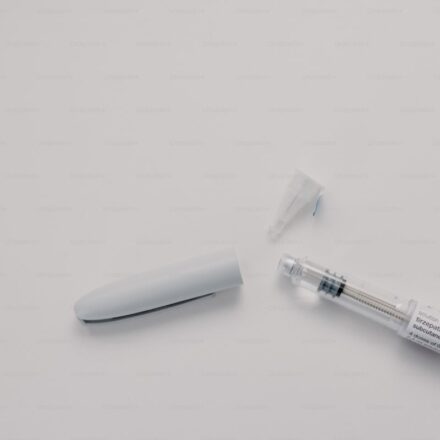
| Administration | Once-weekly subcutaneous injection |
| Phase | Phase 3 (TRIUMPH program, 5,800+ participants) |
| FDA Status | Not approved (as of February 2026) |
| Phase 2 Max Weight Loss | -24.2% at 48 weeks (Jastreboff et al., NEJM 2023) |
| Phase 3 Max Weight Loss | -28.7% at 68 weeks (TRIUMPH-4, December 2025) |
| Key Differentiator | Only triple-agonist in late-stage development |
Get the latest longevity research in your inbox every week.
Join Free →How Retatrutide Works: Three Receptors, Three Mechanisms
What makes retatrutide different from semaglutide (Wegovy/Ozempic) or tirzepatide (Zepbound/Mounjaro) is the third receptor. While semaglutide targets only GLP-1 and tirzepatide targets GLP-1 plus GIP, retatrutide hits all three.
Structurally, retatrutide is a 39-amino-acid synthetic peptide linked to a C20 fatty diacid moiety, giving it a half-life of approximately six days and enabling once-weekly dosing.
Here’s what each receptor does, according to Coskun et al. in their 2022 Cell Metabolism paper describing the molecule’s development:
GLP-1 Receptor (Appetite Suppression + Glucose Control)
The GLP-1 receptor is what makes semaglutide work. Activation enhances glucose-stimulated insulin secretion, slows gastric emptying, and promotes satiety. Retatrutide activates this receptor, but notably with relatively milder potency compared to its GIP and glucagon activity — suggesting the other two receptors are doing significant heavy lifting.
GIP Receptor (Enhanced Metabolic Benefits)
The GIP receptor is what tirzepatide added to the equation. It facilitates glucose-dependent insulin secretion and plays a role in lipid metabolism and fat deposition reduction. According to the discovery paper, retatrutide is most potent at the GIP receptor compared to its other two targets. Researchers consider this a key differentiator in its pharmacological profile.
Glucagon Receptor (Energy Expenditure + Liver Fat Reduction)
This is the truly novel component. The liver is rich in glucagon receptors but has essentially no GLP-1 or GIP receptors, making glucagon agonism uniquely effective for liver-related metabolic issues. Glucagon receptor activation promotes thermogenesis (increased energy expenditure), lipid mobilization, hepatic fat oxidation, decreased lipogenesis, and lipolysis.
Dr. Arun Sanyal of Virginia Commonwealth University, who led the liver fat substudy published in Nature Medicine (2024), stated that retatrutide’s glucagon component “raises the possibility that in the early stages of liver disease, it is possible to ‘de-fat’ the liver, which could in turn help to reduce the long-term cardiac, metabolic, renal, and liver-related harm from obesity.”
How It Compares to Other GLP-1 Medications
| Drug | Receptors | Max Trial Weight Loss | FDA Status |
|---|---|---|---|
| Semaglutide (Wegovy) | GLP-1 only | ~14.9% at 68 weeks | Approved |
| Tirzepatide (Zepbound) | GLP-1 + GIP | ~22.5% at 72 weeks | Approved |
| Retatrutide | GLP-1 + GIP + Glucagon | ~28.7% at 68 weeks | Phase 3 (not approved) |
Published Study Results: What the Trials Actually Show
Phase 2 Obesity Trial (Jastreboff et al., NEJM 2023)
The landmark Phase 2 study, led by Dr. Ania Jastreboff of the Yale School of Medicine, was published in the New England Journal of Medicine on August 10, 2023. It enrolled 338 adults with obesity (BMI 30+) or overweight with weight-related comorbidities across seven treatment arms.
Weight Loss Results at 48 Weeks:
| Dose | Mean Weight Loss | Achieving 15%+ Loss |
|---|---|---|
| Placebo | -2.1% | N/A |
| 1 mg | -8.7% | N/A |
| 4 mg | -17.1% | N/A |
| 8 mg | -22.8% | N/A |
| 12 mg | -24.2% | 83% |
Dr. Jastreboff stated that retatrutide was “well tolerated and provided substantial and clinically meaningful reductions in body weight at 48 weeks of treatment.”
To put the 24.2% figure in context: this exceeded tirzepatide’s Phase 3 peak of ~22.5% — and the retatrutide Phase 2 trial was only 48 weeks compared to tirzepatide’s 72 weeks.
ClinicalTrials.gov ID: NCT04881760
Phase 2 Type 2 Diabetes Trial (Rosenstock et al., The Lancet 2023)
Published in The Lancet on August 12, 2023, this trial was led by Dr. Julio Rosenstock and enrolled adults with T2D across 42 US sites.
Key Results at 36 Weeks:
- Up to 16.9% mean weight loss
- HbA1c improvement of up to 2.2 percentage points
- 82% of participants reached HbA1c of 6.5% or below
Dr. Rosenstock noted that retatrutide “demonstrated significant, meaningful improvements in glycemic control — up to normoglycemia — that were associated with robust body weight reductions of a magnitude not previously shown with any of the medications previously tested in type 2 diabetes.”
ClinicalTrials.gov ID: NCT04867785
Phase 2a Liver Fat Substudy (Sanyal et al., Nature Medicine 2024)
Published in Nature Medicine on June 10, 2024, this substudy examined 98 participants with metabolic dysfunction-associated steatotic liver disease (MASLD) and at least 10% liver fat.
Results at 24 Weeks (Mean Relative Change in Liver Fat):
| Dose | Liver Fat Reduction |
|---|---|
| Placebo | +0.3% |
| 1 mg | -42.9% |
| 4 mg | -57.0% |
| 8 mg | -81.4% |
| 12 mg | -82.4% |
At 48 weeks, 89% of the 8 mg group and 93% of the 12 mg group achieved less than 5% liver fat — essentially resolving their fatty liver disease.
Phase 3: TRIUMPH-4 (First Phase 3 Readout, December 2025)
Eli Lilly announced the first Phase 3 results from the TRIUMPH program on December 11, 2025. TRIUMPH-4 enrolled 445 adults with obesity/overweight and knee osteoarthritis, randomized to retatrutide 9 mg, 12 mg, or placebo for 68 weeks.
Weight Loss Results:
| Dose | Mean Weight Loss | Approximate Pounds Lost |
|---|---|---|
| Placebo | -2.1% | — |
| 9 mg | -26.4% | ~65 lbs |
| 12 mg | -28.7% | ~71 lbs |
Osteoarthritis Endpoints:
- WOMAC pain score reduction up to 75.8% (average 4.5-point improvement)
- More than 1 in 8 retatrutide-treated patients became completely free from knee pain
The trial met all primary and key secondary endpoints.
What’s Coming Next: Remaining TRIUMPH Readouts
The full TRIUMPH program spans 5,800+ participants across multiple indications:
- TRIUMPH-1 (obesity without diabetes, 80 weeks) — readout expected early-mid 2026. Analysts project potential for 30%+ weight loss.
- TRIUMPH-2 (type 2 diabetes) — readout expected early-mid 2026.
- Additional trials targeting obstructive sleep apnea, chronic low back pain, cardiovascular/renal outcomes, and MASLD.
What Researchers and Experts Are Saying About Retatrutide
The obesity medicine field has been notably enthusiastic about retatrutide’s data, while also raising important questions.
Dr. Ania Jastreboff (Yale School of Medicine, lead Phase 2 researcher) has emphasized that more treatment options create competition that could help lower costs and improve accessibility for patients who need obesity medications.
Dr. Fernando Ovalle Jr. (obesity medicine expert) has called retatrutide potentially an “even more significant breakthrough” than existing GLP-1 receptor agonists for obesity treatment.
Amira Guirguis (Chief Scientist, Royal Pharmaceutical Society) noted that retatrutide “shows the potential for exceptional weight-loss outcomes” but cautioned that “the speed and scale of weight loss raise important questions about metabolic consequences, including the theoretical risk of muscle loss.”
Broader expert consensus: The addition of the glucagon receptor is widely regarded as the key innovation. While GLP-1 drugs primarily suppress appetite, the glucagon component appears to actively increase energy expenditure (thermogenesis) and directly target liver fat — two mechanisms that don’t rely solely on eating less.
Side Effects: What the Trials Report
Retatrutide’s side effect profile follows a pattern similar to other GLP-1 class medications, with gastrointestinal effects being most common. Side effects were dose-dependent and occurred primarily during the dose escalation period.
Phase 2 Adverse Events (Jastreboff et al.)
| Side Effect | 1 mg | 4 mg | 8 mg | 12 mg | Placebo |
|---|---|---|---|---|---|
| Nausea | 14% | — | — | 60% | — |
| Diarrhea | ~13% across doses | — | — | ~13% | — |
| Discontinuation due to AEs | 6% | — | — | 16% | 0% |
The researchers noted that GI events occurred primarily during dose escalation, were predominantly mild to moderate in severity, and were partially mitigated by using a lower starting dose (2 mg ramp instead of 4 mg). Most GI side effects resolved within 4-8 weeks.
Phase 3 TRIUMPH-4 Adverse Events
| Side Effect | 9 mg | 12 mg | Placebo |
|---|---|---|---|
| Nausea | 38.1% | 43.2% | 10.7% |
| Diarrhea | 34.7% | 33.1% | 13.4% |
| Constipation | 21.8% | 25.0% | 8.7% |
| Vomiting | 20.4% | 20.9% | 0.0% |
| Decreased appetite | 19.0% | 18.2% | — |
| Dysesthesia | 8.8% | 20.9% | 0.7% |
| Discontinuation due to AEs | 12.2% | 18.2% | 4.0% |
New Safety Signal: Dysesthesia
TRIUMPH-4 revealed a side effect that was not observed in Phase 2 trials: dysesthesia, described as abnormal touch perception including skin sensitivity, tingling, or tenderness. At the 12 mg dose, 20.9% of participants experienced it, compared to 0.7% on placebo. The effect appeared dose-dependent, was generally mild, and did not appear to drive treatment discontinuation. Analysts have flagged this for close monitoring in the remaining TRIUMPH readouts expected in 2026.
Other noted effects included resting heart rate increases of approximately 5-10 bpm, peaking around week 24.
My Experience With Retatrutide
I’ve been using GLP-1 compounds for over a year now — started with tirzepatide, moved to retatrutide, and I’ve also run cagrilintide and MOTS-c at different points. I’ve sourced through both clinics and research peptide suppliers depending on availability and cost. See our research peptide supplier guide for detailed comparisons.
Here’s my honest take on retatrutide specifically: it works. The appetite suppression is real, the body composition changes are real, and my bloodwork improved across the board. I lifted weights three days a week the entire time and actually built muscle while shedding fat. That’s the part that surprised me — most people assume you lose muscle on these compounds, but if you’re training and eating enough protein, that hasn’t been my experience at all.
Side effects were incredibly mild for me. Some minor gastric stuff early on, nothing that made me want to stop. Totally worth it.
The interesting comparison is retatrutide vs tirzepatide. Tirzepatide gave me a noticeable elevated heart rate at night — not dangerous, but enough to mess with my sleep and make me uncomfortable. My wife used tirzepatide too and never experienced that, so it’s clearly individual. She still prefers tirzepatide. I switched to retatrutide and the heart rate issue went away completely. Both compounds work well for body composition and metabolic health — the difference for me came down to side effect profile.
One thing I want to be clear about: these are research compounds. I’m sharing my experience because I think firsthand data is valuable, but I’m not a doctor and this isn’t medical advice. Do your own research and ideally work with a physician who understands peptides.
I track peptide research, GLP-1 developments, and expert protocols weekly. If you want the updates without the noise, The CoreStacks Longevity Report is free and I don’t waste your time.
Get the latest longevity research in your inbox every week.
Join Free →Sourcing Quality Research Peptides
Research-Use-Only Disclaimer: Research peptides are sold strictly for in-vitro research and laboratory use. They are not intended for human consumption. CoreStacks reports on published research findings and does not recommend or endorse human use of research compounds. Any references to sourcing are for informational purposes regarding research supply chain quality.
If you’re a researcher evaluating retatrutide or related compounds, supplier quality matters enormously. Not all research peptide suppliers provide the same level of purity verification.
What to Look for in a Research Peptide Supplier
| Quality Indicator | Why It Matters |
|---|---|
| Third-party COAs | Certificates of Analysis from independent labs (not the supplier’s own lab) verify purity, usually via HPLC and mass spectrometry |
| Purity threshold | Research-grade peptides should show 98%+ purity on COAs |
| Batch-specific testing | COAs should match specific batch/lot numbers, not generic results |
| Cold chain shipping | Peptides degrade with heat; proper shipping protocols indicate a supplier who takes quality seriously |
| Transparent business practices | US-based operations, clear contact information, responsive customer service |
Trusted Research Peptide Suppliers
Note: Suppliers will be evaluated and listed here once affiliate partnerships are established. Our criteria: third-party tested, US-based operations, 98%+ purity verification, and a track record of consistent quality based on independent community reviews.
How Retatrutide Compares to Other GLP-1 Research Compounds
For researchers and those following the GLP-1 field, here’s how retatrutide fits into the broader landscape:
| Compound | Receptors | Developer | Key Trial Result | Current Status |
|---|---|---|---|---|
| Semaglutide | GLP-1 | Novo Nordisk | -14.9% weight (68 wks) | FDA approved (Wegovy) |
| Tirzepatide | GLP-1 + GIP | Eli Lilly | -22.5% weight (72 wks) | FDA approved (Zepbound) |
| Retatrutide | GLP-1 + GIP + GCGR | Eli Lilly | -28.7% weight (68 wks) | Phase 3 |
| Survodutide | GLP-1 + GCGR | Boehringer Ingelheim | ~19% weight (46 wks, Phase 2) | Phase 3 |
| Orforglipron | GLP-1 (oral) | Eli Lilly | ~14.7% weight (36 wks, Phase 2) | Phase 3 |
The trend is clear: more receptor targets generally correlate with greater efficacy, though also with more complex side effect profiles. Retatrutide’s triple-agonist approach represents the furthest step in this direction currently in late-stage development.
FDA Timeline and Approval Outlook
As of February 2026, retatrutide is not FDA-approved and cannot be legally prescribed outside of authorized clinical trials.
Expected timeline (based on analyst projections — not confirmed by Eli Lilly):
| Milestone | Projected Date |
|---|---|
| TRIUMPH-1 & TRIUMPH-2 readouts | Early-mid 2026 |
| Remaining TRIUMPH readouts | Throughout 2026 |
| NDA submission to FDA | Late 2026 |
| FDA approval (if granted) | Late 2026 to mid-2027 |
| Market availability | 2027 |
Market analysts (GlobalData) project retatrutide could reach $15.6 billion in annual sales by 2031, which would make it one of the highest-revenue drug launches in pharmaceutical history.
Research Context: The compounds and trial results discussed in this article are reported for informational purposes based on published research and public statements from investigators. Individual responses to any medication vary significantly. This article does not constitute medical advice. Always consult with a qualified healthcare professional before making changes to your health regimen.
Peptide Research Note: Research peptides discussed in this article are sold strictly for in-vitro research and laboratory use. They are not intended for human consumption. CoreStacks reports on published research findings and does not recommend or endorse human use of research compounds.
FAQ
Is retatrutide FDA-approved?
No. As of February 2026, retatrutide is an investigational drug in Phase 3 clinical trials. The earliest projected FDA approval is late 2026 to mid-2027, based on analyst estimates. It cannot be legally prescribed outside of clinical trials.
How much weight can you lose on retatrutide?
In the Phase 3 TRIUMPH-4 trial (December 2025), participants on the 12 mg dose lost an average of 28.7% of their body weight over 68 weeks — approximately 71 pounds. In the Phase 2 trial published in the NEJM, the 12 mg dose achieved 24.2% weight loss at 48 weeks, with 83% of participants losing at least 15%.
How is retatrutide different from Ozempic or Mounjaro?
Ozempic (semaglutide) targets one receptor (GLP-1). Mounjaro (tirzepatide) targets two (GLP-1 + GIP). Retatrutide targets three (GLP-1 + GIP + glucagon). The glucagon receptor component is what differentiates it — promoting increased energy expenditure and liver fat reduction through mechanisms the other drugs don’t have.
What are the main side effects of retatrutide?
The most common side effects in trials were gastrointestinal: nausea (up to 43% at 12 mg in Phase 3), diarrhea (~33%), constipation (~25%), and vomiting (~21%). A new finding in Phase 3 was dysesthesia (abnormal skin sensitivity/tingling) in up to 20.9% of participants at the 12 mg dose. Most GI side effects occurred during dose escalation and resolved within 4-8 weeks.
Can retatrutide help with fatty liver disease?
Early data is striking. In the Phase 2a substudy published in Nature Medicine (Sanyal et al., 2024), 93% of participants on 12 mg achieved less than 5% liver fat at 48 weeks — essentially resolving their fatty liver disease. Phase 3 trials specifically studying MASLD (metabolic dysfunction-associated steatotic liver disease) are part of the TRIUMPH program.
When will retatrutide be available?
If Phase 3 trials continue to show positive results and Eli Lilly submits an NDA in late 2026, FDA approval could come in late 2026 to mid-2027. Market availability would likely follow in 2027. These are analyst projections and are not confirmed by Eli Lilly.
How much will retatrutide cost?
Pricing has not been announced. For reference, tirzepatide (Zepbound) launched at approximately $1,060/month before insurance. Analysts expect retatrutide to be priced competitively given it will compete directly with Zepbound and Wegovy.
Is retatrutide the same as tirzepatide?
No. Both are made by Eli Lilly, but tirzepatide (Mounjaro/Zepbound) is a dual GLP-1/GIP agonist, while retatrutide is a triple GLP-1/GIP/glucagon agonist. Retatrutide has shown greater weight loss in trials and has a unique mechanism for reducing liver fat through glucagon receptor activation.
Keep Reading
- Complete guide to GLP-1 peptide research
- Peptides for beginners: everything you need to know
- Best telehealth peptide clinics for 2026
- Best GLP-1 weight loss clinics online
- Tirzepatide vs semaglutide: key differences explained
- Peptide side effects: what to expect
Sources
- Jastreboff AM, Kaplan LM, Frias JP, et al. “Triple-Hormone-Receptor Agonist Retatrutide for Obesity — A Phase 2 Trial.” New England Journal of Medicine. 2023;389(6):514-526. DOI: 10.1056/NEJMoa2301972
- Rosenstock J, Frias J, Jastreboff AM, et al. “Retatrutide, a GIP, GLP-1 and glucagon receptor agonist, for people with type 2 diabetes.” The Lancet. 2023;402(10401):529-544. DOI: 10.1016/S0140-6736(23)01053-X
- Sanyal AJ, Kaplan LM, Frias JP, et al. “Triple hormone receptor agonist retatrutide for metabolic dysfunction-associated steatotic liver disease.” Nature Medicine. 2024;30(7):2037-2048. DOI: 10.1038/s41591-024-03018-2
- Coskun T, Urva S, Roell WC, et al. “LY3437943, a novel triple glucagon, GIP, and GLP-1 receptor agonist.” Cell Metabolism. 2022;34(9):1234-1247.e9. DOI: 10.1016/j.cmet.2022.07.013
- Urva S, Coskun T, Loh MT, et al. “LY3437943 in people with type 2 diabetes: a phase 1b, multicentre, double-blind trial.” The Lancet. 2022;400(10366):1869-1881. DOI: 10.1016/S0140-6736(22)02033-5
- Eli Lilly Investor Relations. “Lilly’s Triple Agonist Retatrutide Delivered Weight Loss.” News release, December 11, 2025.
- ClinicalTrials.gov: NCT04881760 (Phase 2 Obesity), NCT04867785 (Phase 2 T2D)
If you made it this far, you'll like the newsletter. One email per week — the research that matters, the supplements that work, the ones that don't. Free.
Join the Newsletter →