


This article contains affiliate links. We may earn a commission at no extra cost to you.
Table Of Content
- What NAD+ Does in Your Body
- How Much Does NAD+ Decline?
- What Drives NAD+ Decline
- Strategies to Boost NAD+ Levels
- Precursor Supplements
- Lifestyle Interventions
- NAD+ IV Drips vs Oral Precursors
- How to Track Whether NAD+ Support Is Working
- Frequently Asked Questions
- At what age should you start worrying about NAD+ decline?
- Can you test your NAD+ levels?
- Is NAD+ decline reversible?
- Is NMN or NR better for raising NAD+ levels?
- What are the symptoms of low NAD+ levels?
- Can you get enough NAD+ from food alone?
- When is the best time of day to take NMN or NR?
- Can exercise replace NAD+ supplements?
- Core Longevity Supplements (Expert Consensus)
Nicotinamide adenine dinucleotide (NAD+) is a coenzyme essential for cellular energy production, DNA repair, and sirtuin activation. Research published in Cell Metabolism shows that NAD+ levels decline approximately 50% between ages 40 and 60, correlating with age-related metabolic dysfunction, mitochondrial decline, and increased disease risk. Restoring NAD+ levels has become one of the most actively studied longevity interventions.
What NAD+ Does in Your Body
NAD+ is involved in over 500 enzymatic reactions, making it one of the most important molecules in human biology. According to Dr. David Sinclair, a leading NAD+ researcher at Harvard Medical School, its key functions include:
- Energy production: NAD+ is critical for mitochondrial function and ATP generation — the energy currency of every cell
- DNA repair: NAD+ fuels PARP enzymes, which repair broken DNA strands. As NAD+ declines, DNA damage accumulates faster
- Sirtuin activation: Sirtuins (SIRT1–SIRT7) are enzymes that regulate aging, inflammation, and metabolic health. They require NAD+ as a cofactor
- Circadian rhythm regulation: NAD+ levels naturally oscillate over 24 hours, helping regulate your body clock
This is not some marginal nutrient. NAD+ is woven into nearly every cellular process that keeps you alive. When levels drop, the downstream effects hit everything from how well you sleep to how quickly you recover from a workout. For a broader look at how longevity experts approach cellular health, see our expert stacks comparison.
How Much Does NAD+ Decline?
The decline in NAD+ levels with age has been documented in multiple studies:
| Age Range | Approximate NAD+ Level | Key Impact |
|---|---|---|
| 20–30 | Peak levels | Optimal cellular function |
| 30–40 | ~10–20% decline | Subtle metabolic changes begin |
| 40–50 | ~30–40% decline | Mitochondrial efficiency drops |
| 50–60 | ~50% decline | DNA repair capacity significantly reduced |
| 60+ | ~60–70% decline | Accelerated aging hallmarks |
A 2016 study published in Cell Metabolism by Camacho-Pereira et al. demonstrated that CD38, an enzyme that consumes NAD+, increases with age and chronic inflammation — essentially draining NAD+ faster as you get older.
What Drives NAD+ Decline
According to researchers including Dr. Sinclair and Dr. Charles Brenner (who discovered the NR pathway), NAD+ decline is driven by multiple factors:
- Increased CD38 activity: Chronic low-grade inflammation drives up CD38, which consumes NAD+
- Reduced biosynthesis: The enzymes that produce NAD+ from precursors become less efficient with age
- Increased PARP activity: Accumulated DNA damage means more NAD+ is consumed for repair
- Metabolic dysfunction: Obesity, insulin resistance, and poor diet accelerate NAD+ depletion
For a detailed comparison of the two main NAD+ precursor supplements, see our NMN vs NR guide.
Strategies to Boost NAD+ Levels
Current approaches to restoring NAD+ levels fall into two categories: precursor supplementation and lifestyle interventions.
NMN is the most popular NAD+ precursor supplement. See our best NMN supplements for 2026 for products with verified purity testing.
Precursor Supplements
NMN (Nicotinamide Mononucleotide): Dr. David Sinclair’s preferred precursor. He has publicly stated he takes 1g of NMN daily. A 2022 study in Science confirmed NMN raises NAD+ levels in humans, though the clinical significance of this increase is still being studied.
NR (Nicotinamide Riboside): Championed by Dr. Charles Brenner. Multiple human trials have confirmed NR raises blood NAD+ levels by 40–90% at doses of 300–1000mg daily. Brands like Tru Niagen use this form.
For the evidence on whether these supplements work, see our analysis: Does NMN Actually Work?
Lifestyle Interventions
According to Dr. Rhonda Patrick and other researchers, several lifestyle factors also influence NAD+ levels:
- Exercise: Both aerobic and resistance training increase NAD+ biosynthesis through AMPK activation
- Caloric restriction / fasting: Triggers NAD+ production via the salvage pathway
- Heat stress (sauna): May upregulate NAD+ synthesis enzymes
- Reducing chronic inflammation: Lowering inflammation reduces CD38-mediated NAD+ consumption
NAD+ IV Drips vs Oral Precursors
Walk into any longevity clinic and they will try to sell you a $500 NAD+ IV drip. The pitch sounds compelling — why bother with oral precursors when you can inject NAD+ directly into your bloodstream?
More complicated. Dr. Peter Attia has discussed on The Drive podcast that while NAD+ IV infusions do raise blood NAD+ levels rapidly, there is limited evidence that this translates to meaningful intracellular NAD+ repletion in target tissues like the brain and muscle. The NAD+ molecule is large, and how efficiently it crosses cell membranes after IV delivery is still debated.
Oral precursors like NMN and NR take a different route. They are smaller molecules that enter cells and get converted to NAD+ inside the cell — right where you need it. The trade-off is slower onset and lower peak levels, but potentially better tissue distribution.
For most people, oral supplementation makes more practical and financial sense. A month of quality NMN costs $40–80 versus $500+ per IV session. We break down this comparison in detail in our NMN vs NAD+ IV drips analysis.
How to Track Whether NAD+ Support Is Working
One of the frustrating things about NAD+ supplementation is that you cannot easily measure whether it is working. Direct intracellular NAD+ testing is not widely available or standardized, as Dr. Charles Brenner has noted publicly.
Instead, most longevity-focused physicians — including those in Dr. Peter Attia’s practice — track surrogate markers that reflect the downstream effects of healthy NAD+ levels:
- Fasting glucose and HbA1c: NAD+ is directly involved in glucose metabolism. Improving NAD+ status may improve metabolic markers over time.
- Inflammatory markers (hs-CRP, homocysteine): Since chronic inflammation drives CD38-mediated NAD+ depletion, tracking inflammation gives indirect evidence of NAD+ status.
- Subjective energy and recovery: Many people who supplement NMN or NR report improved exercise recovery and sustained energy — not a clinical endpoint, but a useful signal.
- Liver enzymes (ALT, AST): NAD+ supports liver function. These markers are worth tracking, especially if you are supplementing at higher doses.
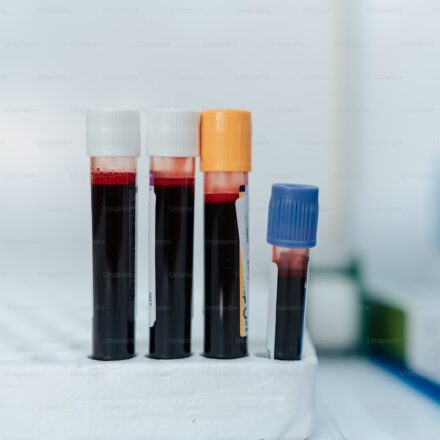
Get a baseline before starting any NAD+ protocol. Our longevity blood tests guide covers exactly which panels to order and how to interpret them. If you want the easiest route, check our best at-home blood test services for options that do not require a doctor visit.
Free PDF: My Complete 34-Supplement Protocol
Every brand, dose, cost, and why — plus 3 years of bloodwork data.
Get the Free Protocol →Frequently Asked Questions
At what age should you start worrying about NAD+ decline?
According to researchers, measurable NAD+ decline begins in your 30s, but the most significant drop occurs between ages 40–60. Dr. Sinclair has suggested that NAD+ precursor supplementation is most relevant starting around age 35–40, though this remains an area of active research with no consensus on optimal timing.
Can you test your NAD+ levels?
Intracellular NAD+ testing is available through some specialized labs, but according to Dr. Brenner, current tests are not well-standardized for clinical use. Blood NAD+ levels may not accurately reflect tissue-level concentrations. Most longevity physicians track surrogate markers like metabolic health, inflammation levels, and subjective energy rather than NAD+ directly.
Is NAD+ decline reversible?
Animal studies have shown that NAD+ precursor supplementation can restore NAD+ to youthful levels in tissues. Human trials confirm that NMN and NR raise circulating NAD+ levels. Whether this translates to reversing biological aging in humans is the central question currently being studied in multiple clinical trials, according to published research.
Is NMN or NR better for raising NAD+ levels?
What are the symptoms of low NAD+ levels?
Can you get enough NAD+ from food alone?
When is the best time of day to take NMN or NR?
Can exercise replace NAD+ supplements?
Disclaimer: This content is for informational purposes only and does not constitute medical advice. Always consult your healthcare provider before starting any supplement regimen.
Free: My Complete 34-Supplement Protocol
Every brand, dose, cost, and why — from 7+ years of research and 5 blood tests.
Get the Free PDF →Core Longevity Supplements (Expert Consensus)
Affiliate links help support CoreStacks at no extra cost to you.
Found this useful? Share CoreStacks with a friend →