


⚡ Quick Verdict
As an Amazon Associate, I earn from qualifying purchases. Product links below are affiliate links.
Table Of Content
- ⚡ Quick Verdict
- Brand-Name Tirzepatide: Mounjaro and Zepbound
- Compounded Tirzepatide: How It Works
- Key Differences That Matter
- Dosing Accuracy
- Salt Form Differences
- Sterility and Safety
- The Real Cost Comparison
- How Tirzepatide Compares to Semaglutide
- How to Choose Safely
- Frequently Asked Questions
- Is compounded tirzepatide legal?
- Is compounded tirzepatide as effective as brand-name?
- What happens when the tirzepatide shortage ends?
- Frequently Asked Questions
- How should compounded tirzepatide be stored?
- Can I switch between compounded and brand-name tirzepatide?
- How do I verify if a pharmacy is a legitimate 503B outsourcing facility?
- Are side effects different with compounded vs brand-name tirzepatide?
- Will insurance cover compounded tirzepatide?
- Top-Rated Omega-3 Supplements
This article contains affiliate links. We may earn a commission at no extra cost to you.
Compounded tirzepatide can cost 50-80% less than brand-name Mounjaro or Zepbound, but the tradeoff involves differences in quality oversight, sterility testing, and dosing accuracy. The FDA has allowed compounding of tirzepatide during the ongoing shortage, but these products are not FDA-approved and carry different quality assurance standards than brand-name versions manufactured by Eli Lilly.
Brand-name Zepbound costs $1,060/month. Compounded tirzepatide from a telehealth clinic runs $150-$350. Same active molecule, wildly different price tags — and a whole lot of confusion in between. I spent two months talking to compounding pharmacies, reading FDA enforcement letters, and comparing third-party lab reports to figure out whether the cheap stuff is actually the same thing or a gamble with your health. The answer isn’t as simple as either side wants you to believe. There are real risks with compounded peptides, and there are real reasons the brand-name markup is obscene. This is the honest breakdown — no pharma talking points, no compounding-pharmacy sales pitch — so you can make the call yourself.
Brand-Name Tirzepatide: Mounjaro and Zepbound
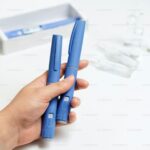
Eli Lilly manufactures tirzepatide under two brand names: Mounjaro (approved for type 2 diabetes) and Zepbound (approved for weight management). Both contain the same molecule and are manufactured under strict FDA-regulated Current Good Manufacturing Practice (cGMP) standards.
Want to explore your options? See our guide to getting tirzepatide prescribed online for step-by-step instructions.
Key characteristics of brand-name tirzepatide include FDA-approved manufacturing with batch-to-batch consistency, extensive stability testing ensuring potency through the expiration date, pre-filled injection pens with precise dosing, and insurance coverage possibilities (though often with high copays). The major downside is cost: without insurance, brand-name tirzepatide runs $1,000-$1,200 per month.
Compounded Tirzepatide: How It Works
Compounding pharmacies create custom preparations of tirzepatide using the bulk active ingredient. Under FDA guidance during drug shortages (Section 503A and 503B of the FD&C Act), pharmacies can legally compound tirzepatide when the brand-name version is in shortage.
There are two types of compounding pharmacies:
| Feature | 503A Pharmacy | 503B Outsourcing Facility |
|---|---|---|
| FDA registered | State-regulated only | Yes, FDA-registered |
| Requires prescription | Yes, individual Rx | Can sell to clinics in bulk |
| Sterility testing | Not required by FDA | Required (more rigorous) |
| Third-party testing | Varies | Required |
| Typical cost | $200-$500/month | $300-$600/month |
According to pharmacology experts, 503B outsourcing facilities provide a higher level of quality assurance and are the safer choice for compounded injectables.
Key Differences That Matter
Dosing Accuracy
Brand-name tirzepatide in pre-filled pens delivers precise doses every time. Compounded versions typically come as vials requiring manual drawing with insulin syringes. According to pharmacy professionals, this introduces variability — even small measurement errors can affect the dose by 5-10%.
This matters more than you might think. Tirzepatide dose titration follows a specific schedule (2.5mg, 5mg, 7.5mg, 10mg, 12.5mg, 15mg) for a reason — GI side effects are dose-dependent. If your compounded vial is slightly over-concentrated and you accidentally draw 6mg instead of 5mg, you could experience significantly worse nausea. With a pre-filled pen, this is not a concern.
Salt Form Differences
Some compounding pharmacies use tirzepatide sodium salt instead of the acetate form used by Eli Lilly. According to pharmaceutical researchers, the sodium salt form may have different stability characteristics and absorption profiles, though clinical significance of this difference remains debated. A 2024 analysis published by the American Association of Pharmaceutical Scientists noted that salt form can affect both reconstitution stability and subcutaneous absorption kinetics, but no head-to-head clinical data exists comparing outcomes between the two forms.
Sterility and Safety
Injectable medications must be sterile. Brand-name products undergo validated sterilization processes. Compounded injectables from 503B facilities must pass sterility testing, but 503A pharmacies have less oversight. The FDA has issued warnings about contaminated compounded products in the past, emphasizing the importance of choosing a reputable source.
The Real Cost Comparison
Cost is the primary reason people choose compounded tirzepatide, so here is an honest breakdown of what you are actually paying:
| Option | Monthly Cost | Annual Cost | Includes |
|---|---|---|---|
| Brand-name (no insurance) | $1,000-$1,200 | $12,000-$14,400 | Pre-filled pen, full FDA oversight, Lilly patient support |
| Brand-name (with insurance) | $25-$500 | $300-$6,000 | Same, but coverage varies wildly by plan and indication |
| Compounded (503B facility) | $300-$600 | $3,600-$7,200 | Vial + syringes, FDA-registered facility, sterility testing |
| Compounded (503A pharmacy) | $200-$500 | $2,400-$6,000 | Vial + syringes, state-regulated, variable testing |
| Telehealth clinic (compounded) | $300-$550 | $3,600-$6,600 | Consultation + compounded medication, convenience |
That $700-$800/month difference between brand-name and compounded adds up to $8,400-$9,600 per year. For most people, that savings is the entire reason compounded exists as a market. But the question is whether the cost savings justifies the quality tradeoffs. For more on navigating GLP-1 options, see our GLP-1 peptides research guide.
How Tirzepatide Compares to Semaglutide
If you are weighing compounded tirzepatide, you should also understand how it stacks up against semaglutide (Ozempic/Wegovy). The SURMOUNT trials comparing tirzepatide to placebo showed 20-25% body weight reduction at the highest doses. The STEP trials for semaglutide showed roughly 15-17% at maximum dosing. Tirzepatide’s dual GIP/GLP-1 mechanism appears to offer an edge in weight loss magnitude.
However, compounded semaglutide is generally cheaper than compounded tirzepatide ($150-$350/month vs $200-$600/month), and semaglutide has a longer track record since it was available first. For people weighing cost against efficacy, this is a real tradeoff. We break down the head-to-head comparison in our tirzepatide vs semaglutide analysis.
How to Choose Safely
If you opt for compounded tirzepatide, experts recommend:
Finding a reputable provider is important for both compounded and brand-name options. See our best GLP-1 clinics online for licensed telehealth providers.
- Use a 503B outsourcing facility — higher regulatory standards and mandatory sterility testing
- Ask for a Certificate of Analysis (COA) — confirms potency and sterility testing for each batch. If a pharmacy hesitates to provide this, walk away
- Work with a licensed prescriber — avoid websites that prescribe without proper medical evaluation. A legitimate provider will review your medical history, check for contraindications, and follow the standard titration schedule
- Check for third-party testing — reputable pharmacies test each batch and can provide the results
- Verify the pharmacy’s track record — check state board of pharmacy records for any violations or warnings
- Learn proper injection technique — with compounded vials, you are responsible for drawing the correct dose. Our peptides beginners guide covers injection basics that apply here
For vetted options, see our guide to the best ways to get tirzepatide prescribed online and our roundup of the best GLP-1 weight loss clinics. We also cover the broader telehealth peptide field in our best telehealth peptide clinics guide.
Free PDF: My Complete 34-Supplement Protocol
Every brand, dose, cost, and why — plus 3 years of bloodwork data.
Get the Free Protocol →Frequently Asked Questions
Is compounded tirzepatide legal?
Yes, compounded tirzepatide is legal during an FDA-declared shortage of the brand-name product. Under Sections 503A and 503B of the FD&C Act, licensed compounding pharmacies can prepare tirzepatide with a valid prescription. If/when the shortage ends, the legal field may change — Eli Lilly has already signaled it will pursue enforcement against compounders.
Is compounded tirzepatide as effective as brand-name?
If properly compounded with the correct active ingredient and dosing, the clinical effect should be similar. However, variability in compounding quality means results can be less predictable. No clinical trials have directly compared compounded versus brand-name tirzepatide. The biggest practical risk is inconsistent dosing from manual vial drawing, which can affect both efficacy and side effect management.
What happens when the tirzepatide shortage ends?
According to FDA guidance, once a drug is removed from the shortage list, compounding pharmacies may need to stop producing it. Eli Lilly has actively pursued enforcement against compounders. Patients on compounded versions should have a plan to transition to brand-name or alternative treatments with their prescriber. This is not a hypothetical — it will happen eventually.
Frequently Asked Questions
How should compounded tirzepatide be stored?
Can I switch between compounded and brand-name tirzepatide?
How do I verify if a pharmacy is a legitimate 503B outsourcing facility?
Are side effects different with compounded vs brand-name tirzepatide?
Will insurance cover compounded tirzepatide?
Disclaimer: This content is for informational purposes only and does not constitute medical advice. Tirzepatide is a prescription medication. Always work with a qualified healthcare provider for diagnosis and treatment decisions.
Free: My Complete 34-Supplement Protocol
Every brand, dose, cost, and why — from 7+ years of research and 5 blood tests.
Get the Free PDF →Top-Rated Omega-3 Supplements
Affiliate links help support CoreStacks at no extra cost to you.
Found this useful? Share CoreStacks with a friend →